

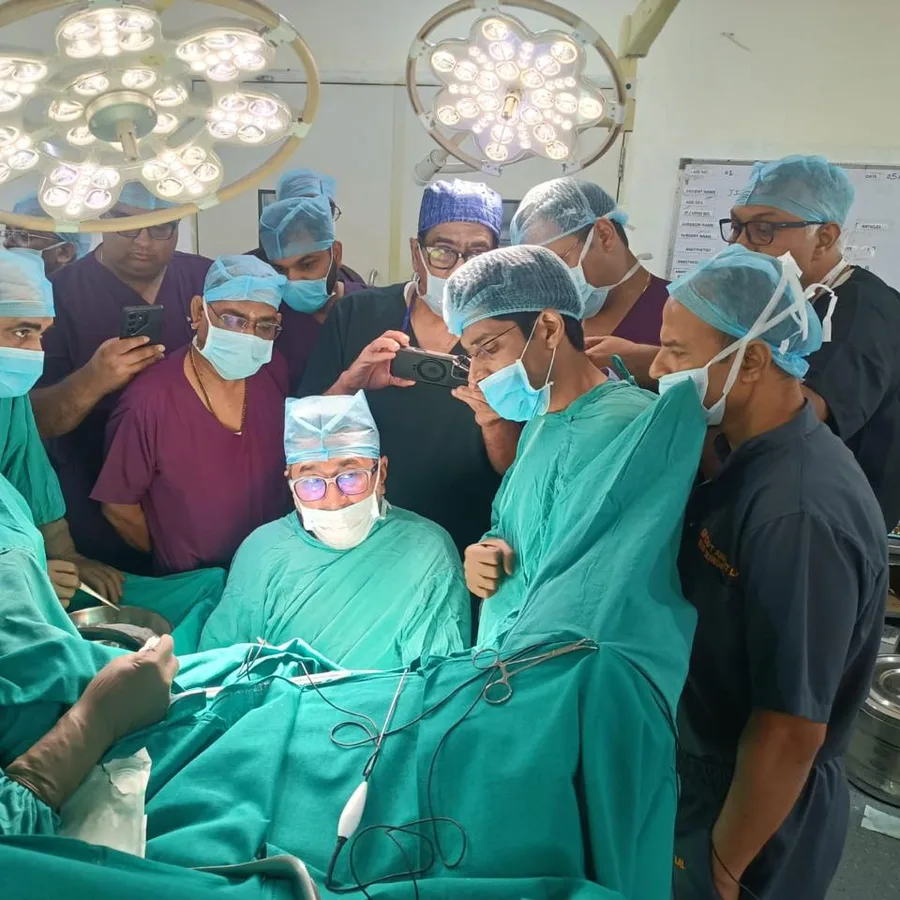
General surgery covers a wide range of abdominal procedures, from gallbladder removal to appendix surgery, and Dr. Gandhi performs the large majority of these laparoscopically, using small incisions rather than one large cut, for less pain and a faster recovery.
Signs Worth Getting Checked
- Pain on the right side of your abdomen, especially after fatty meals
- A sudden or worsening pain in the lower right abdomen
- Persistent or recurring abdominal pain with no clear cause
- A stomach that feels swollen or bloated most of the time
- Unexplained weight loss or ongoing digestive symptoms
Should You Be Worried?
Many causes of abdominal pain are straightforward and treatable, and general surgery for conditions such as gallstones or appendicitis is one of the most established and predictable areas of surgical care. What matters is getting an accurate diagnosis quickly and choosing an approach, laparoscopic wherever possible, that gets you back to normal life sooner.
What Raises Your Risk
Gallstones are more common with a family history of gallbladder disease, a high fat diet or rapid weight change. Appendicitis can affect anyone at any age and often has no identifiable risk factor at all. Liver conditions may be linked to viral hepatitis, alcohol use or metabolic disease. A specialist assessment can clarify what is driving your specific symptoms.
How It's Diagnosed
1. Examination and ultrasound to assess the gallbladder, appendix or affected organ
2. Blood tests to check for infection or inflammation markers
3. CT or further imaging where the diagnosis or extent of disease is unclear
How It's Treated
- Laparoscopic cholecystectomy: keyhole removal of the gallbladder for gallstones or gallbladder disease.
- Laparoscopic appendicectomy: minimally invasive removal of an inflamed appendix.
- Laparoscopic liver and GI procedures: selected liver, stomach and colon conditions managed through a minimally invasive approach where appropriate.
- Robotic-assisted general surgery: for selected complex cases, offering greater precision (see Robotic Surgery).
Most laparoscopic general surgery patients go home within one to two days and return to normal activity within one to two weeks, considerably faster than with open surgery.
Frequently Asked Questions
Pain after eating, particularly on the right side, can point to gallstones or gallbladder inflammation, though several other conditions can cause it too. An ultrasound and clinical examination usually clarify the cause.
Worsening pain that shifts to the lower right abdomen, together with fever, nausea or a rigid abdomen, needs urgent assessment. If in doubt, go to the emergency room rather than waiting.
Small, silent gallstones sometimes cause no problems and need no treatment, but stones causing pain or complications generally need to be removed surgically.
Not always. Surgery is generally recommended once gallstones start causing symptoms or complications; symptomless stones may simply be monitored.
Laparoscopic surgery causes noticeably less pain than open surgery, thanks to the smaller incisions, and most patients need only simple pain relief afterwards.
Book Your General Surgery Consultation in Mumbai
Whatever is behind your symptoms, an accurate diagnosis and the right surgical approach make all the difference. Dr. Jignesh Gandhi provides expert general and laparoscopic surgery at Nanavati Max Hospital, Mumbai.